
If you’re moving to Omaha from out of state, you’ve come to the right place. Helping people relocate to Omaha is a big part of what I do — and it’s something I’ve put a lot of thought into over the years.
A few years ago I built OmahaGuide.com as a free resource for people trying to learn about the city before they move here. It covers neighborhoods, schools, cost of living, things to do, and a lot more. It started as a way to answer the questions I kept hearing from clients.
On the real estate side, I’ve gotten pretty good at helping people buy homes from a distance. Over the past few years, more than 30% of my clients wrote an offer without ever setting foot in the house. I don’t lead with that as a selling point — I’d always rather you see a home in person if you can. But sometimes it’s not possible, and I’ve learned how to make it work.
A few clients I didn’t meet in person until after they had already closed. It sounds unusual. It happens more than you’d think. And I haven’t had an unhappy client yet — knock on wood.
Below, I’ll walk you through how the process typically works, what to expect in terms of timing, and a few things worth considering before you start your search.

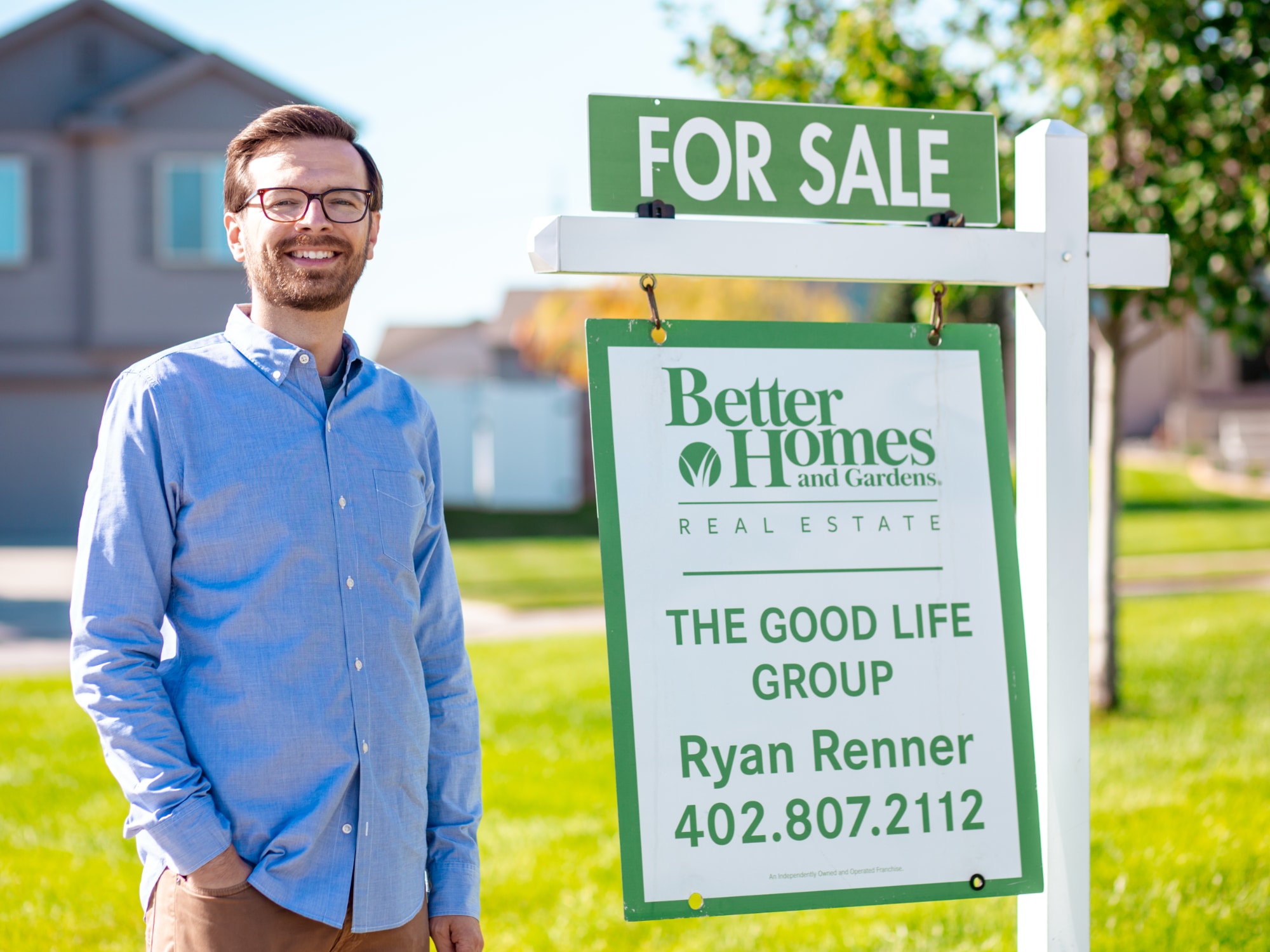
How the Process Works
Most people start by sending me an email. From there, we set up a Zoom or Google Meet call to talk through what you’re looking for, why you’re moving to Omaha, what questions you have, and how I can help.
Or maybe you have a trip to Omaha planned and we can meet in person at my office or a coffee shop.
That first meeting does a few things. It helps me understand your situation. It helps me find out how much you do know about Omaha. It also helps us figure out if we’d work well together. Not every agent is the right fit for every buyer, and I’d rather know that early.
A lot of that early conversation is about neighborhoods, areas of town, commute times, etc.
You might come in with a pretty clear idea of where you want to live based on online research, and sometimes that instinct is right.
Sometimes it isn’t. I’ll ask questions to understand why you’re drawn to certain areas, and I’ll often suggest neighborhoods you hadn’t considered but would probably like just as much.
The Visit to Omaha
If you can make a trip to Omaha, that’s great.
Walking through homes in person gives you a sense of scale and layout that photos and video just don’t capture. It also gives me a better read on what you like and don’t like, which makes everything after the visit easier.
Most people are surprised how much clearer their preferences become after seeing just a few homes in person.
If we don’t find the right home during your visit, or if a return trip isn’t realistic, that’s when video tours take over.
Video Tours
My video tours are recorded, not live. I’ve tried live FaceTime and Zoom walkthroughs and the quality is frustrating. With a recorded video, you can watch it on your own time, rewind it, and share it with your spouse, parents, and anyone else.
I narrate the whole thing as I walk through. If I like something, I’ll say so. If something concerns me, I’ll point it out. If I smell dog, cat, smoke, or anything else worth knowing, I’ll mention that too.
I’m not just pointing a camera at the kitchen and
Offers and Closing
The paperwork side of this is pretty simple. Offers are written and signed digitally through a platform called Dotloop. You don’t need to be in Nebraska to sign anything.
Closing can also be done remotely. You don’t have to fly back for it. Some clients I didn’t meet in person until after they had already closed. It sounds unusual, but it happens more than you’d think.
Getting to Know Omaha
If you’re brand new to Omaha, the geography can take a little getting used to. The city has a noticeable east-west divide — older, more established neighborhoods sit closer to the Missouri River on the east side, while newer suburbs and planned developments stretch out to the west. Most of the surrounding cities fall into one of two counties: Douglas County, which contains Omaha itself, and Sarpy County to the south, which includes cities like Papillion, Bellevue, and La Vista.
I put together a short video that covers the basics — the layout of the city, major areas, and how it all fits together. It’s a good starting point if you’re trying to get your bearings.
Watch the Omaha Area Overview on YouTube
From there, OmahaGuide.com has detailed guides on individual neighborhoods and surrounding cities if you want to go deeper on any specific area.
Should You Buy Right Away, or Rent First?
Most people who reach out to me have already decided they want to buy. And in a lot of cases, that makes sense. If you know Omaha, you’re confident in your job, and you’re ready to put down roots, there’s no reason to wait.
But every once in a while, I’ll talk someone out of buying.
If you’re not sure Omaha is the right city for you, or if you’re still figuring out which part of town fits your life, renting first gives you room to learn. You get to experience different neighborhoods before you’re locked into one. You figure out your commute, find the grocery store you actually like, and get a feel for the city without the pressure of a mortgage attached to it.
Moving twice is annoying. I won’t pretend otherwise. But buying a home in the wrong neighborhood — or discovering six months in that Omaha isn’t where you want to be — is a much bigger problem.
I don’t make money if you rent. That’s fine. I’ve lost clients because they rented first, decided the job wasn’t working out, or realized they wanted to be closer to family. It happens. I’d rather that happen before someone buys a home than after.
My goal is to be a resource, not to close a transaction. If buying right away is the right move, I’ll tell you that. If I think you’d be better off renting for a year first, I’ll tell you that too.
As for the rental market in Omaha, I’ll be honest — it’s not my area of expertise. I have some resources on OmahaGuide.com that can help point you in the right direction, but the rental market here is pretty fragmented. A lot of it comes down to reaching out to individual apartment complexes directly. It’s not as simple as one site that has everything.